
SORGHUM

Strength, versatility, and nutrition.

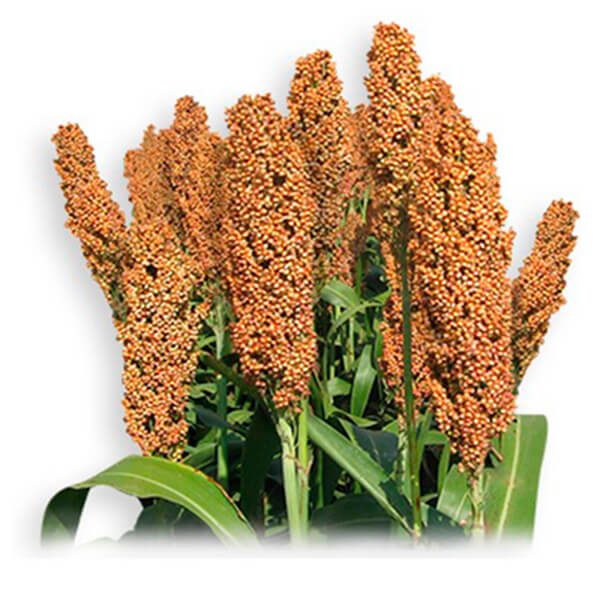
Our sorghum products are cultivated with precision and care, providing reliable grain quality for both human consumption and animal feed. With a focus on sustainability and export-grade standards, our sorghum ensures performance across multiple industries.
Specialty Traits (Innovation and Resilience)

Modern breeding has developed varieties with enhanced traits to combat common field challenges.

Grain Sorghum

  • Primary Use: Production of grain for livestock feed, human consumption (flour, beverages), and ethanol.
  • Key Characteristics:
    • Short Stature: Bred to be relatively short (3-5 feet) for easy and efficient harvest using standard combine equipment.
    • High Grain-to-Stover Ratio: Genetic focus is on maximizing the size and weight of the seed head.
    • Management: Usually grown as a full-season row crop. Requires high-quality, fully fertile hybrids to maximize yield.
  • Website Focus: Offer a range of maturity groups (early, medium, late) and showcase resistance to common regional pests and diseases (e.g., sugarcane aphid).

Forage Sorghum

  • Primary Use: Producing high-volume vegetative mass for livestock feed, often chopped and stored as silage or fed as hay.
  • Key Characteristics:
    • Tall Stature: Bred for maximum height (up to 12+ feet) and biomass accumulation.
    • High Tonnage: The primary goal is total dry matter yield per acre, sometimes at the expense of grain or sugar content.
    • Dry vs. Conventional: Some varieties are bred with a “dry stalk” for quick drying when making hay, while others are “juicy stalk” types ideal for silage.

Website Focus: Emphasize tons per acre potential and the stalk characteristics (dry vs. juicy).

Sorghum-Sudangrass Hybrids

  • Primary Use: Production of grain for livestock feed, human consumption (flour, beverages), and ethanol.
  • Key Characteristics:
    • Short Stature: Bred to be relatively short (3-5 feet) for easy and efficient harvest using standard combine equipment.
    • High Grain-to-Stover Ratio: Genetic focus is on maximizing the size and weight of the seed head.
    • Management: Usually grown as a full-season row crop. Requires high-quality, fully fertile hybrids to maximize yield.
  • Website Focus: Offer a range of maturity groups (early, medium, late) and showcase resistance to common regional pests and diseases (e.g., sugarcane aphid).

Specialty and Novelty Sorghum Types

  • These varieties are often developed to address specific challenges or niche markets:

    • BMR (Brown Midrib) Sorghum:
      • Trait: A genetic mutation that reduces the amount of lignin in the plant’s cell walls (visible as a brown stripe on the leaf midrib).
      • Benefit: Greatly increases the forage’s digestibility (often by 5–15%), leading to higher milk production or weight gain in livestock. The premium option for dairy and beef silage.
    • Sweet Sorghum (Biomass Sorghum):
      • Trait: Bred to accumulate high concentrations of fermentable sugars in the stalk.
      • Benefit: Primarily used for the production of ethanol, syrup, or specialty feed/fiber, focusing on energy value rather than grain.
    • Photoperiod Sensitive Sorghum:
      • Trait: These varieties only initiate flowering when daylight hours reach a specific, short duration (late in the season).
    Benefit: Allows the plant to continue vegetative growth for the entire season without forming a seed head, maximizing total forage biomass before frost.

GET A QUOTE